

Inspections from the FDA or EMA can cause stress for even the most experienced teams. These visits require staff to be ready with documentation, detailed answers, and clear explanations about how work is done and recorded. When inspection training is done properly, inspections run more smoothly, and everyone involved feels more confident.
In this blog, we’ll explore which roles need training ahead of inspections, how to prepare them, and what kind of training works best. It’s not just about meeting expectations, but building habits and awareness that make inspections less daunting and more manageable for everyone involved.
When it comes to inspections, preparation isn’t just for managers or auditors. A wide range of staff can be called upon to answer questions, share records, or demonstrate procedures. Leadership plays an important role in setting the tone. Executives and department heads are often the ones guiding responses and offering big-picture insight into the company’s quality systems. If they haven’t been part of an inspection or seen the kind of detail regulators ask for, their teams may struggle to keep up.
Functional leads and process owners should be able to walk through systems step by step. Whether they’re overseeing clinical data, lab processes, or document control, they must show how protocols are followed and how risks are managed. Even if their work is mostly behind the scenes, their knowledge forms the backbone of what inspectors want to understand.
Frontline staff are just as important. These are the people entering data, managing samples, or updating logs. They need to be confident when describing how they carry out their tasks and how they make sure each step is compliant. It’s not unusual for inspectors to stop and speak with staff on the spot. That interaction can shape the impression of the whole organisation.
IT teams and validation personnel also need to be prepared. If systems manage regulated data, they must be able to explain how access is restricted, how changes are tracked, and what steps were taken during system validation. Even if they’re not directly interviewed, their work is critical to showing data integrity and traceability.
Lastly, documentation and training teams support much of what inspectors ask to see. If records are unclear or training logs are incomplete, even well-run operations can come under scrutiny. These teams must understand how records are filed, tracked, and retrieved, and be ready to explain the process from start to finish.
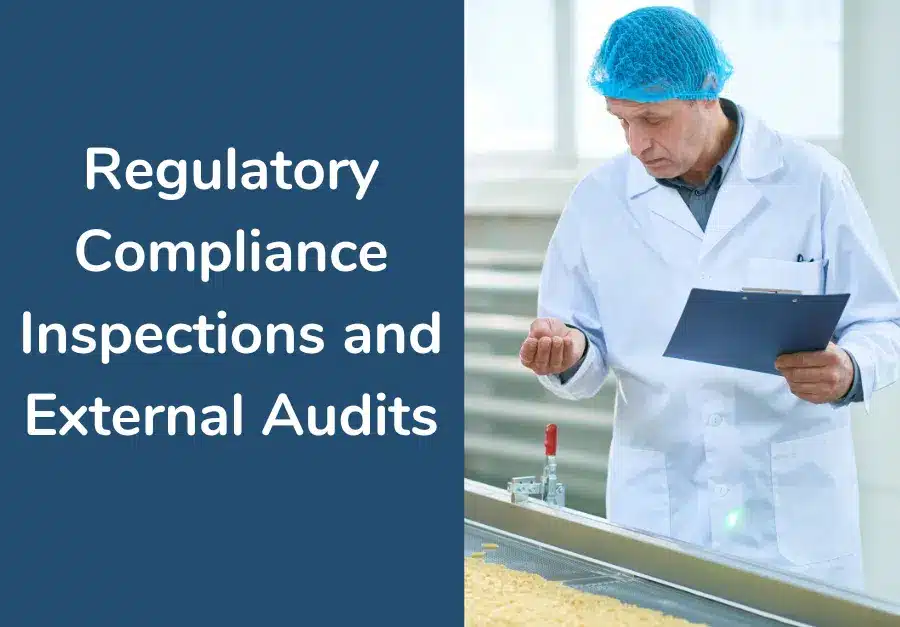
Passing an FDA or EMA inspection depends on people knowing exactly what to do and when to do it. Our Regulatory Compliance Inspections and External Audits course gives your team practical, real-world training on how to handle every part of the process. It covers what inspectors look for, how different types of audits work, and the ICH Q10 guidelines that shape inspections today.
Your team will see how their everyday work connects to inspections so they feel prepared, not surprised. Real examples and simple explanations help staff build confidence and avoid common mistakes that can lead to findings.
When they finish the course, they receive a verified, CPD- and CEU-accredited certificate that shows they know how to support inspections and maintain compliance.
Key features include:
This training makes inspection readiness feel achievable for everyone, no matter their role.
Inspection training should be thorough and role-specific. Everyone needs a general understanding of what inspections are and why they happen. But from there, the content should align with each person’s responsibilities and exposure to the inspection process.
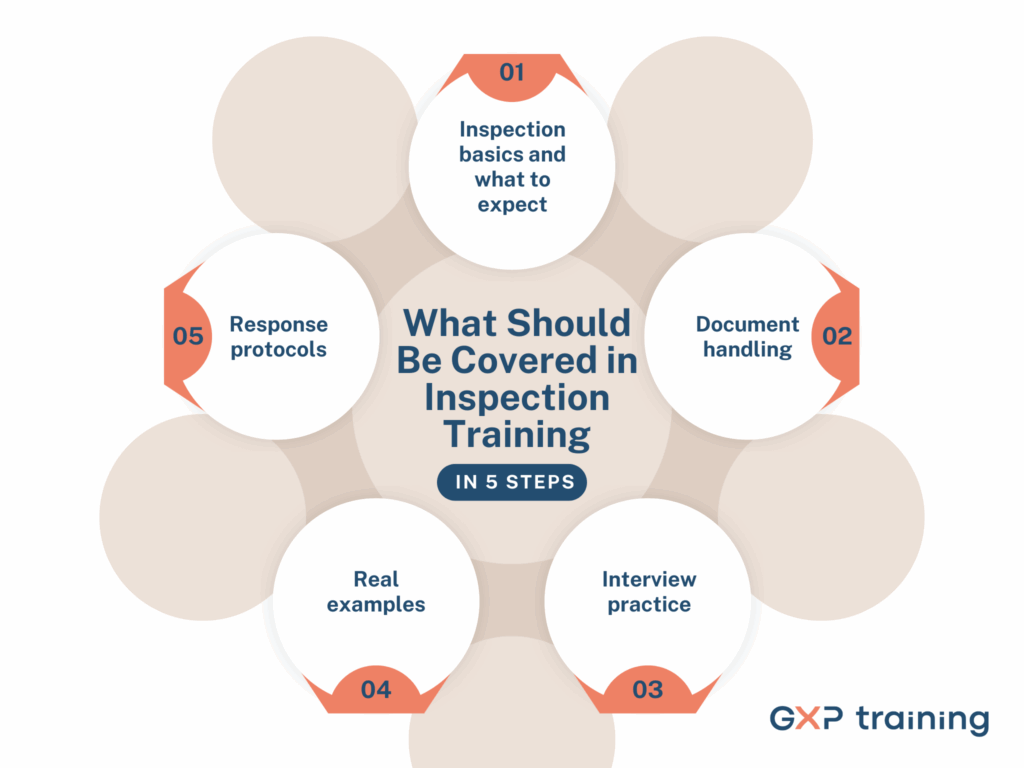
Here’s a simple breakdown of what to include in a training program:
This kind of practical, hands-on approach turns vague fears into clear preparation. People walk away feeling like they know what to expect and how to respond if they’re called upon.
Building readiness doesn’t end with a single training session. It’s important to keep the conversation going. One way to do that is by reviewing previous inspection reports and identifying any patterns. Maybe the same record type causes confusion, or one department tends to struggle with timely documentation. Bring these issues to team meetings and ask for feedback on how they can be improved.
It’s also helpful to hold informal check-ins where staff can ask questions or raise concerns. This reinforces that inspections are not a test, but a shared responsibility. Leaders should encourage openness, thank staff for pointing out weak spots, and frame improvements as ongoing progress rather than punishment.
When people are trained to handle inspections with confidence, the entire organisation benefits. They know how to respond calmly to questions, locate documents quickly, and communicate clearly about their responsibilities. This kind of readiness cuts down on confusion and last-minute pressure, helping everyone stay focused and composed throughout the process.
More importantly, inspection training reinforces good habits. People are more likely to log details properly, follow procedures carefully, and stay aware of the impact their work has on compliance. Over time, these behaviours improve recordkeeping, reduce errors, and create a working environment where expectations are clear and consistency is the norm.
Trained staff are more engaged during inspections because they understand why each part of the process matters. They know what to expect, and they’re not guessing at what they should say or do. This helps the inspection move smoothly and creates a stronger impression with regulators. It also supports better outcomes, from reduced findings to quicker approvals and a stronger reputation within the industry.
Inspection readiness also promotes better teamwork. When everyone understands their responsibilities and how they connect to broader compliance goals, they become more willing to help one another prepare. Teams start reviewing logs together, double-checking entries, and holding brief prep sessions ahead of audits. These shared routines strengthen accountability and encourage open communication about what still needs to be addressed before an inspector walks through the door.
There’s also a long-term benefit to training that goes beyond any single audit. Teams that consistently prepare for inspections tend to develop a mindset that values accuracy and traceability in everything they do. It becomes second nature to ask questions like “Would this stand up in an audit?” or “Can I explain this decision clearly if someone asks?” Over time, this kind of thinking raises the standard of quality across the board and builds lasting confidence in your compliance efforts.
Our Regulatory Compliance Inspections and External Audits course gives your team the real knowledge they need to handle inspections with confidence and get it right every time.
If you want extra support building a wider inspection readiness program, we’re here to help you shape training that works for your people and your process.